Nana used to tell me about her great grandfathers, Samuel Downing who owned a steel works in Birmingham in the second half of the 19th century and got rich, and James Williams who was a cornishman who worked for Richard Tangye’s engineering firm also in Birmingham and apparently according to family lore “invented the crane” that launched the Great Eastern (Brunel’s big iron ship) into the Thames in 1858. She says the Downing’s fortune came from the gun sales for the Crimean war, and that James never got credited for the crane invention and after he died and his sons went to work for other firms his wife Eliza was thrown off the company pension. Nana’s grandmother Alice had her living next door or perhaps it was in the same house and I think she drove her batty. On top of that Alice’s husband James Williams Junior although apparently being a local mayor for a time, had taken to drinking with his buddies all the time (liked port I think) and he’d died aged just 48. Samuel Downing incidentally apparently liked Chartreuse, and big dogs, St Bernard’s, and had a famously large billiards table. He died in 1900 and had to have a special coffin constructed because he was also rather large. His house was converted to a hospital or something during the great war and then it was knocked down eventually.
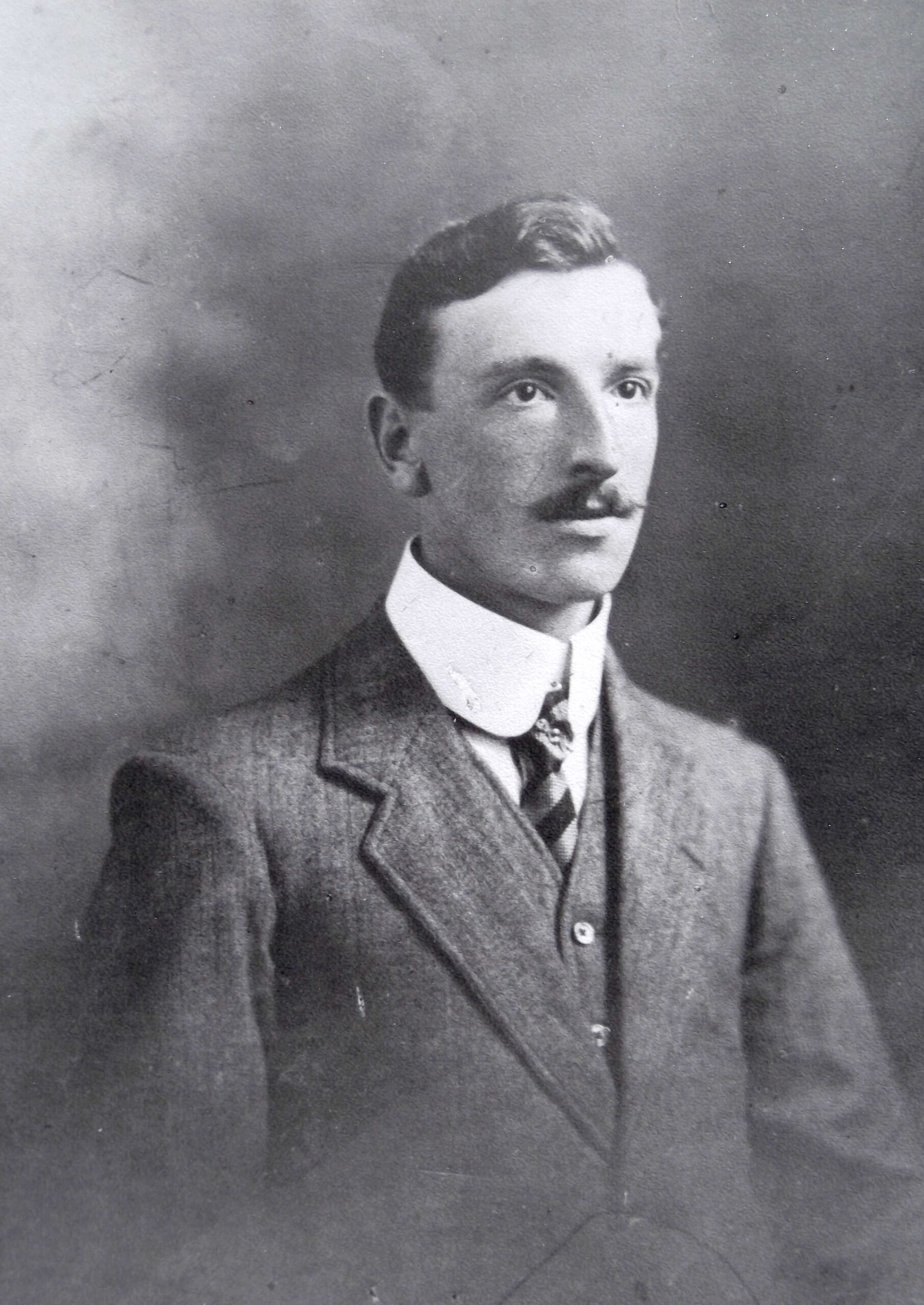
Nana’s mum Alice junior had visited the Downing mansion a few times when young in the late 1800s, ridden in one of his carriages pulled by a ‘pair of greys’ and danced with the eligible men. So she had a taste of all that and no doubt was supposed to marry into something similar, however she fell in love with young William Walker who was running the corner store. Her family got him a job aboard the Cunard line ships – floating palaces of the day – as a first class saloon steward. It was probably supposed to get him out of the way but instead it meant he saw the world and he and Alice got a whiff of freedom and chose to resettle in Australia. Nana remembers her dad’s insistance on the sort of table manners and formalities that he’d learned among the uber wealthy of the pre-ww1 years on the ship. He was also incredibly good at packing suitcases. But he had relatively humble upbringings, his father was a police constable and he was born I think in Leeds castle where his dad was working at the time. His mother Mary died quite young at 43, the story was because of a terrible accident with a big heavy sash window. She had the name “Howarth” which was supposed to be an anglicised “Horivitz” but when I got the ancestry test done for Nana it didn’t find any jewish DNA which was interesting.
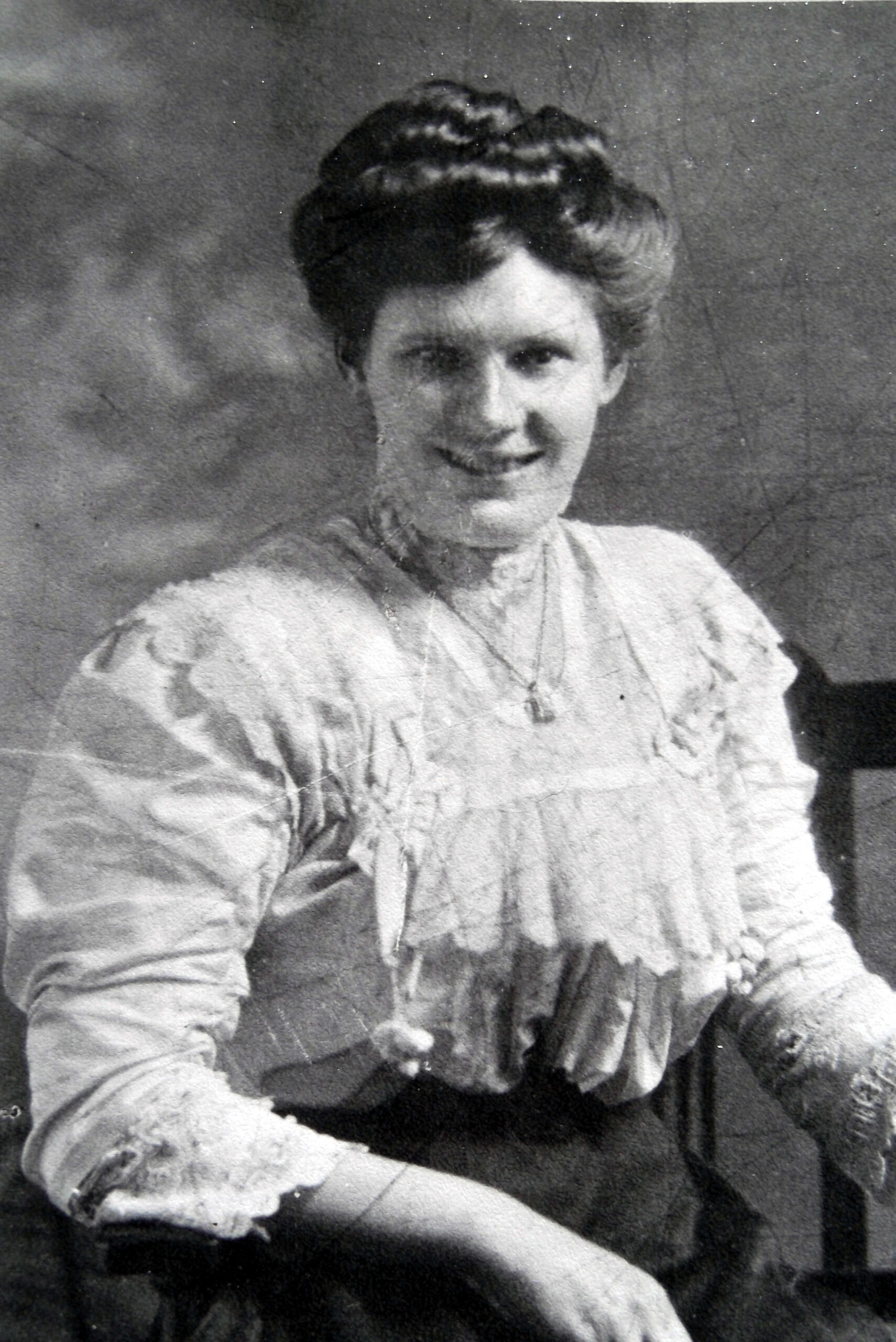
Nana grew up on Frenchman’s road in Sydney, the 8th child (and seventh girl) of Alice and William and was I think it’s fair to say, kind of neglected by her parents, left to her own devices a lot of the time to play on the street with the other kids. The house was a hive of activity as nana’s mum ran a piano roll lending business and bought and sold pianos, also their phone was the only one on the street so the neighbours would come and use it when their gas got cut off to call the company to get it turned on again. Nana and her younger brother Bill slept on the front verandah (which isn’t on the house any more). In 1940 during the war Alice senior back in England died of pneumonia and nana’s mum received an interitance of about 16,000 pounds which they used to buy a couple of cheap houses up in Katoomba and the family moved up there for some of the war years after the midget subs blew up that ferry in the harbour. Nana as a teenager worked in a cigarette paper factory during the war and they used to hide notes in the packets and ended up getting into some correspondences with soldiers on the front. Later Nana went into nursing and met my Grandfather who escaped from Slovenia after the war but that’s another story. I wrote a bit about some of Nana’s life in one of my songs “she’d never think twice“.
That song also brings in some recollections of my other grandma who also grew up in Sydney but out somewhere closer to Paramatta. That was Ethel Skeet and she married my grandfather Andy Watt. They both were bit older than Nana and served during world war two. Grandma was in the RAAF and was up in Townsville for some of the war, running training courses on gas – chlorine gas and mustard gas. There was a risk it might be used and they used to go into a room with gas masks on and then briefly take the mask off to experience the gas, just so they could recognise it I suppose. Grandma really hated the mustard gas in particular. While she was there she got to know all the airmen including famous ace Bluey Truscott. Meanwhile grandad was on a ship, the HMAS Ipswich and spent a lot of time around the mediterranean and the Indian ocean. He kept a war diary and was there during the battle of Naples and he witnessed a fair bit of combat, dropping depth charges and rescuing survivors from sinking ships. He also got to see places like Bombay and Colombo and Alexandria and Mombassa – where he caught blackwater fever which nearly killed him and he ended up being discharged from the active duty due to his damaged health. He was a cook on that ship and there’s a funny story he told about getting that job – he was actually in the waiting room to be signed up for the airforce and was expectingto get the job of a gunner on a bomber. Anyway a navy man came in and said they needed a couple of cooks and grandad’s life was probably saved by that.
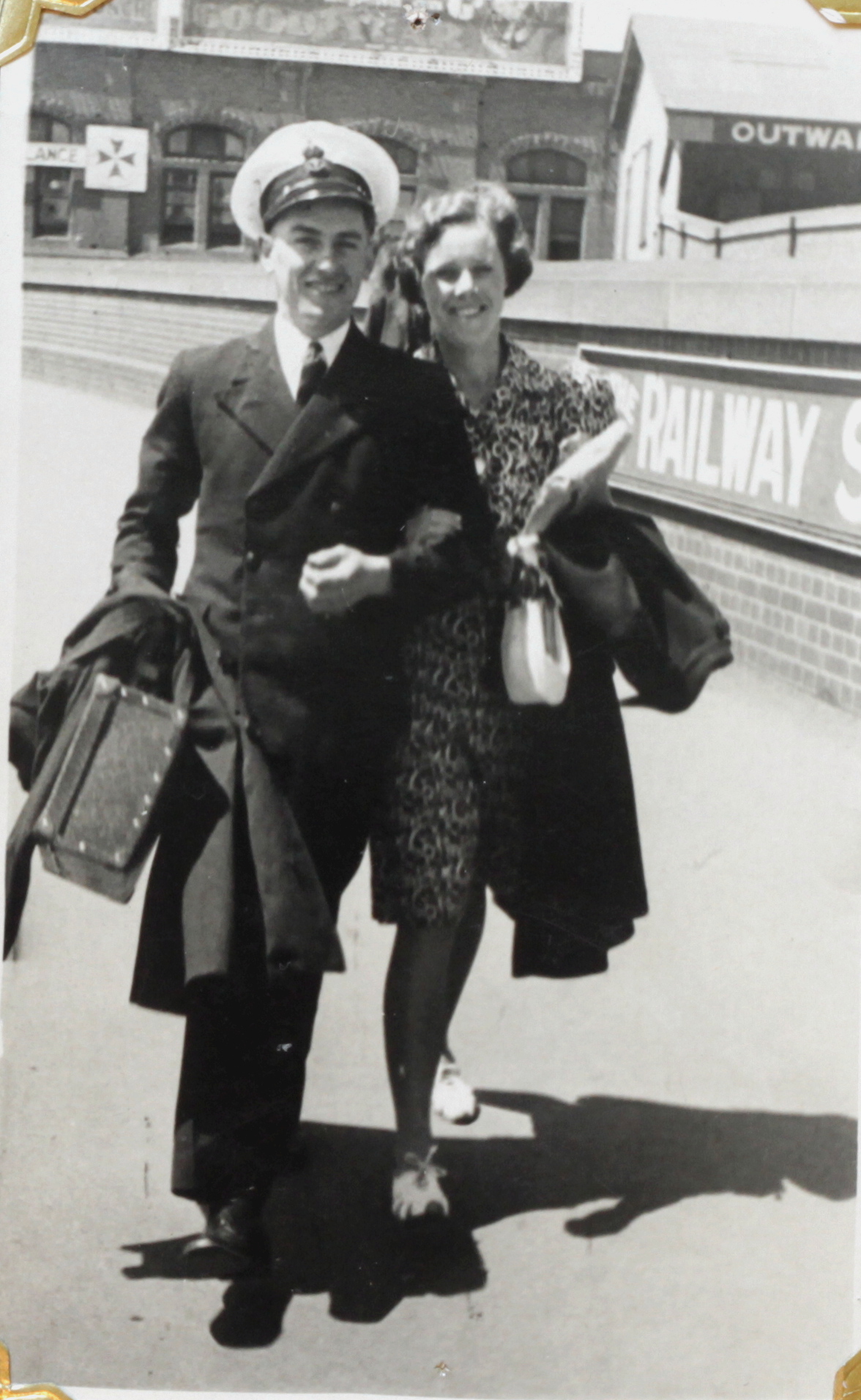
Andy was born in Edinburgh and the Watt’s all come from up that way around East Lothian /Haddingtonshire, humble stock mole catchers though some of them lived in a cottage on the Tyninghame House in the 1800s. Andy’s parents had served on the western front in WW1 his dad in the artillery in the 17th Division and his mum Janet driving a truck behind the lines for the red cross. After the war his dad ended up in India driving trains and wanted to move there but Janet wasn’t keen on that. They were working in Edinburgh for a Lady Douglas in Colinton but they lived just below the castle down on Cowgate and my grandfather was born there. He remembered playing around Greyfriars Bobby. They came to Australia as a compromise when the India plan fell through, with some money from the Presbyterian church. Unlike Grandad, my Grandma Ethel was born in Sydney and her parents had come from Liverpool a little earlier, although Skeets are from South London originally, and her mum from Wrexham in North Wales (and Shropshire before that). Her mum hadn’t even really seen the sea before she boarded that boat aged 19 and apparently it was the last passenger sailing ship that went to Australia from Liverpool. We still have the old chest that she brought over with her in 1911. I’m not sure why they came to Australia, her dad Sam was a bricklayer and used to walk all around sydney to jobs. Several of his family followed him over including his mum, after his dad was killed in an unfortunate accident involving a steamroller back in Liverpool.
Just thought I’d jot some of this down here as it’s all scattered about in memoirs and recordings and letters and bits and pieces that i’ve read or half remembered over the years. There’s nothing very fantastic in my family history apart from the ordinary marvels of life during wars and such, but it’s all become a part of my story somehow. Also the record needs to be corrected about the true inventor of the crane that launched the Great Eastern ha ha.